Army Font: A Dynamic Asset for Modern Graphic Design
Finding a typeface that balances boldness with versatility is a common challenge for designers. The Army font, with its strong, commanding presence, offers a unique solution for projects that demand attention and convey authority. This font family often features structured letterforms and a powerful aesthetic, making it a valuable creative asset for a wide range of visual design applications, from branding to editorial layouts.
Understanding the Army Typeface in Visual Communication
In graphic design, typography is a fundamental pillar of visual hierarchy and brand identity. The Army font typically belongs to a category of display or decorative typefaces characterized by their impactful, often geometric, shapes. Its design philosophy prioritizes strength and clarity, which can be leveraged to create immediate visual interest. While it excels in headline contexts, its effectiveness depends on thoughtful application within the broader design system. Choosing the right font is not just about style; it's about aligning the typographic voice with the project's communication goals and audience expectations.
Practical Applications for Impactful Design
The true value of a typeface like Army is realized through its practical application across various creative projects. Its robust character makes it particularly effective in scenarios where a message needs to stand out.
- Branding and Logo Design: For brands that want to project strength, reliability, or a dynamic edge, Army can form the core of a powerful logo or brand mark. It works well for sports teams, outdoor brands, tech startups, and any identity seeking a modern, assertive look.
- Marketing and Advertising: In digital marketing and print campaigns, a bold font grabs attention instantly. Use Army for headlines in social media graphics, poster designs, or banner ads to ensure your key message is noticed amidst competing content.
- Editorial and Web Design: While not ideal for long body text, Army can create stunning section headers in magazines, blogs, or website hero sections. It helps establish a strong visual hierarchy, guiding the reader's eye through the content.
- Packaging and Merchandise: Product packaging and merchandise benefit from typefaces that communicate key attributes at a glance. Army font can make product names or slogans on labels, apparel, and promotional items memorable and distinctive.
Tips for Effective Typographic Integration
Integrating a distinctive font like Army into your design workflow requires strategic consideration to maintain professionalism and readability. Here are key factors to evaluate:
Prioritize Readability and Contrast: Always pair a strong display font like Army with a clean, highly legible sans-serif or serif font for body copy. This contrast ensures the overall design remains accessible and easy to navigate, preventing visual fatigue.
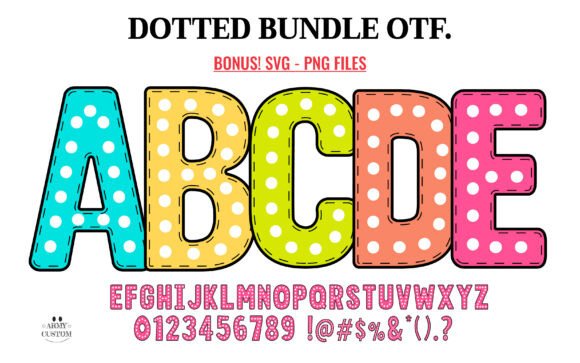
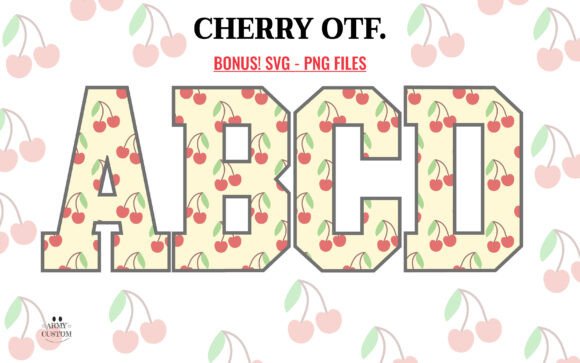
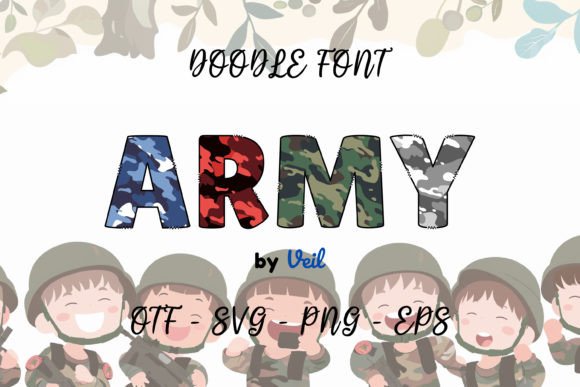
Consider Scalability and Color: Test the font at various sizes to ensure its details remain crisp. Pay close attention to its color version compatibility; as noted, color fonts may have specific software requirements. For projects using cutting machines like Cricut, verify the black version's compatibility to avoid production issues.
Align with Brand Consistency: If used for branding, ensure the font's personality aligns with your brand's core values and tone. Create a style guide that specifies its proper usage—such as for headlines only—to maintain a consistent and professional presentation across all touchpoints, from web design to print materials.
Ultimately, selecting a creative asset like the Army font is a decision that impacts the entire visual narrative of a project. By thoughtfully applying its strengths within a cohesive design system—balancing its boldness with complementary elements, ensuring technical compatibility, and aligning it with clear communication goals—designers and creators can significantly enhance visual impact. Quality typography doesn't just decorate; it communicates, engages, and elevates the entire user experience, turning ordinary projects into compelling visual stories.