Blood Font: A Unique Decorative Asset for Creative Design
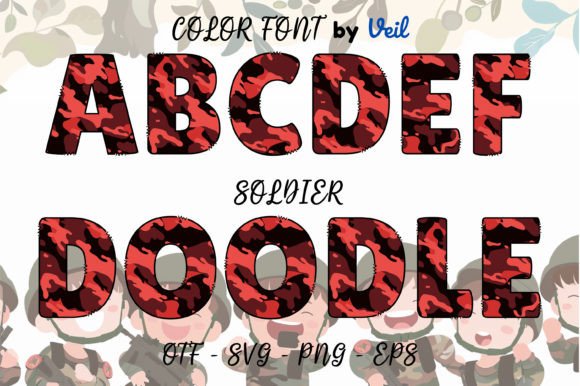
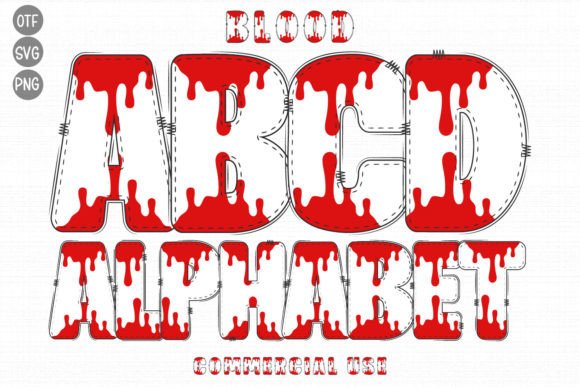
Imagine a typeface that captures the raw, organic beauty of nature while offering a distinct, tactile personality. The Blood font achieves this by combining letterforms with a realistic blood skin texture, creating a decorative typeface that immediately commands attention and evokes a specific visual atmosphere. While its name might suggest a narrow use, its actual versatility in graphic design is surprisingly broad, offering designers a potent tool for projects that demand a bold, thematic statement.
Understanding the Visual Impact of Decorative Fonts
In modern graphic design, typography is far more than just conveying words; it's a critical component of visual hierarchy and brand identity. Decorative fonts like Blood serve as powerful creative assets for specific applications. They are not for body text but for headlines, logos, and accents where mood and personality are paramount. The Blood font’s texture adds a layer of organic detail that can instantly elevate a design, making it ideal for projects rooted in nature, fantasy, or seasonal themes. Its visual weight and unique character help designs stand out in a crowded digital landscape, enhancing user engagement through memorable visuals.
Practical Applications Across Design Disciplines
The true value of a specialized font like Blood lies in its practical application. Its textured, natural aesthetic makes it a compelling choice for a variety of creative projects, provided it is used with intention and an understanding of its strengths.
- Branding and Logo Design: For brands in outdoor recreation, organic products, or Halloween-themed events, Blood can create an instantly recognizable and thematic logo. It works best when paired with a clean, neutral sans-serif font for balance.
- Marketing and Social Media Graphics: Use it for eye-catching headlines on posters, banners, or social media posts promoting autumn festivals, adventure tours, or horror-themed content. Its texture ensures high visibility even in fast-scrolling feeds.
- Packaging and Merchandise: It can enhance the shelf appeal of specialty food products, craft beverages, or novelty items, adding a handcrafted or rugged feel. On merchandise like T-shirts or posters, it becomes a central design feature.
- Editorial and Web Design: Employ it for chapter titles in nature magazines, event headers on websites, or as a stylized element in UI design for specific interactive buttons or notifications where a dramatic effect is desired.
Tips for Effective Typography Selection and Use
Integrating a decorative font into your design workflow requires careful consideration to ensure it enhances rather than overwhelms your message. Always prioritize readability and context.
- Test for Scalability and Context: A font like Blood is designed for display sizes. Test it at various scales to ensure the texture remains clear and impactful, whether on a small social media icon or a large printed banner.
- Maintain Visual Hierarchy: Use it exclusively for primary headlines or key brand elements. Pair it with a highly legible, neutral font for subheadings and body copy to maintain clarity and professionalism.
- Consider Your Audience and Goal: Align the font’s mood with your project’s objective. It’s perfect for a spooky movie poster or an autumn sale, but less suitable for a corporate finance report. Understanding your audience’s expectations is key to effective visual communication.
- Ensure System Compatibility: Before finalizing, check the font’s licensing and file formats to ensure it integrates smoothly with your design software and meets project requirements for print or digital use.
Ultimately, the most successful designs are built on intentional choices. A distinctive font like Blood is a valuable addition to any designer’s library, not as a universal solution, but as a specialized tool for when a project calls for a bold, textural statement. By thoughtfully selecting and applying such creative assets, you can significantly elevate the aesthetic quality and communicative power of your work, transforming a good design into an unforgettable one.