Love Street Graffiti: Urban Typography for Modern Design
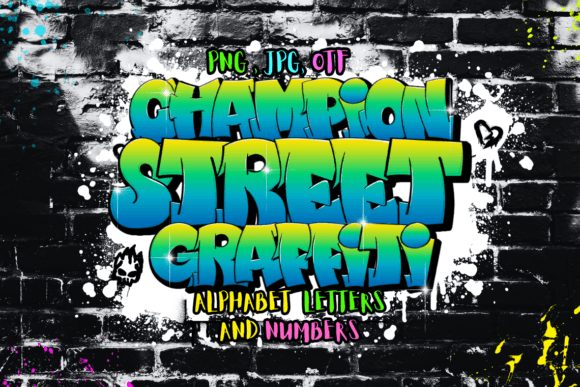
In a digital landscape saturated with clean, minimalist fonts, sometimes the most powerful way to connect is through raw, authentic expression. Love Street Graffiti captures this energy, transforming the rebellious spirit of street art into a functional, vibrant typeface. It’s more than just a font; it’s a statement piece designed for projects that demand attention, personality, and a touch of urban charm.
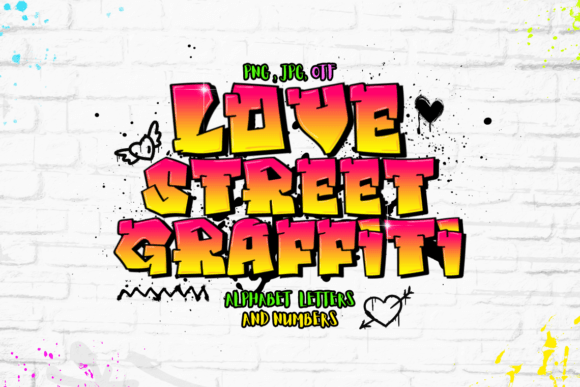
Modern graphic design often walks a fine line between professionalism and personality. While sans-serifs dominate corporate branding, there is a growing demand for typography that feels human and handcrafted. The Love Street Graffiti Color font bridges this gap, offering a handwritten style infused with captivating street graphics. It serves as a creative asset for designers looking to break away from sterile aesthetics and inject vibrancy into their visual communication.
Understanding the Technical Edge
One of the standout features of this typeface is its implementation as a Color Font (OpenType-SVG). Unlike traditional vector fonts that rely on a single color, this technology allows the font to retain the texture, gradients, and depth of real spray paint or markers directly within the font file. This results in a high-fidelity visual that adds immediate depth to any composition.
However, selecting the right tool requires understanding its technical constraints to maintain a smooth design workflow. It is important to note that while the OTF and TTF files are fully compatible with professional software like Adobe Photoshop and Illustrator, they are not compatible with cutting machines or open-source software like Cricut, Silhouette, or Inkscape. For designers working within the Adobe ecosystem, this font offers seamless integration into existing projects.
Practical Applications in Visual Design
The versatility of a graffiti-style font extends far beyond simple poster art. When used with intention, it can elevate various creative projects, enhancing user engagement and brand recall. Consider these practical applications for incorporating this style into your work:
- Branding and Logo Design: For brands targeting a younger, energetic demographic—such as streetwear lines, skate shops, or music festivals—this font establishes an immediate connection. It signals authenticity and creativity.
- Social Media Graphics: Attention spans are short on platforms like Instagram and TikTok. The bold, colorful nature of graffiti typography acts as a visual anchor, stopping the scroll and highlighting key messages or calls to action.
- Packaging Design: In a crowded marketplace, packaging needs to pop. Using Love Street Graffiti on product labels can convey a sense of limited-edition exclusivity or artisanal quality, particularly for food, beverage, or cosmetics brands.
- Editorial and Web Design: While body text requires legibility, headers and pull quotes are opportunities for flair. Using this font for large headlines creates a strong visual hierarchy, guiding the reader’s eye and breaking up dense blocks of information.
Integrating Urban Elements with Professional Standards
Adopting a bold design asset like street art typography requires a strategic approach to visual hierarchy. The primary goal is to balance the font's expressive nature with the clarity of the overall message.
Prioritize Readability: Because this style is intricate and textured, it works best at larger sizes. Avoid using it for small body copy where details might get lost. Instead, pair it with a clean, neutral sans-serif for supporting text to ensure the message remains accessible.
Contextual Consistency: Ensure the "urban" vibe aligns with the brand identity. A graffiti font can feel out of place in a conservative corporate report, but it shines in event invitations, merchandise, and digital marketing campaigns. It is about matching the typography to the audience's expectations and the project's goals.
Color Palette Synergy: Since the font features built-in colors, your background and surrounding design elements should complement, not clash with, the typography. High-contrast backgrounds often allow the texture and detail of the font to stand out, creating a polished, professional presentation.
Ultimately, great design is about choosing the right visual language to tell a story. By integrating assets that offer both aesthetic appeal and technical reliability, designers can create work that resonates on an emotional level. Whether you are celebrating a special moment or launching a new campaign, embracing tools like Love Street Graffiti allows you to spread creativity and connect with your audience through the universal language of art.