Clover Leaf: Elevating Design with Dynamic Color Fonts
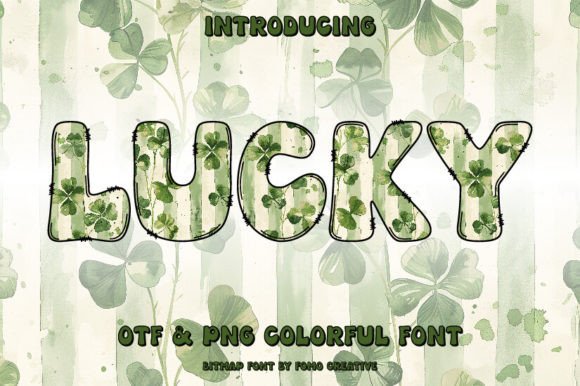
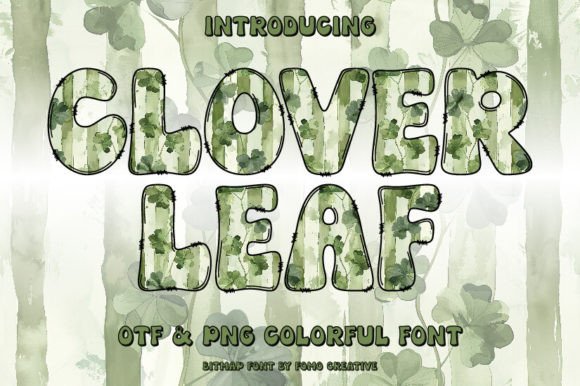
In the ever-evolving landscape of digital design, static typography is giving way to vibrant, expressive alternatives. The Clover Leaf color font represents this shift, offering designers a powerful tool to inject personality and depth into their projects. Unlike traditional single-color typefaces, this OpenType-SVG font renders characters with built-in gradients, shadows, and rich color palettes, transforming simple text into compelling visual assets. For graphic designers, marketers, and creators, understanding and leveraging such advanced typography is key to crafting memorable brand identities and engaging visual communication.
Understanding the Power of Color Fonts
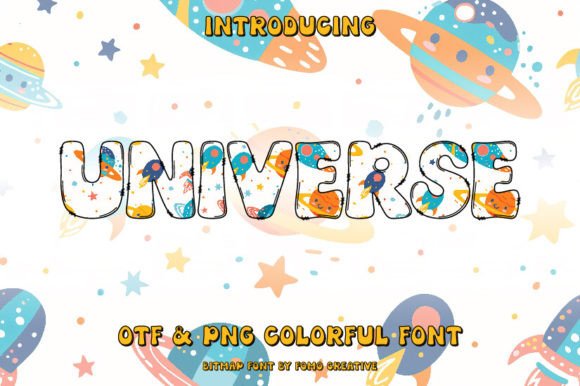
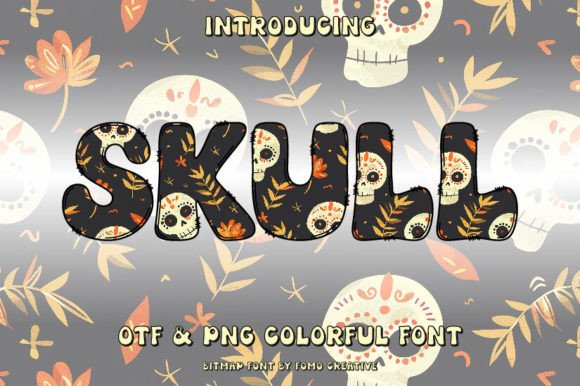
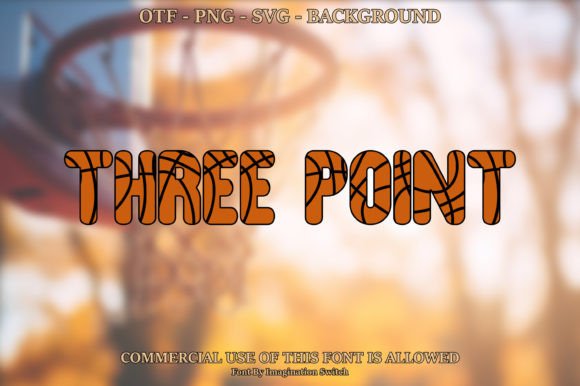
Color fonts are a significant typographic innovation, moving beyond the limitations of flat, monochromatic text. They encapsulate intricate color data directly within the font file, allowing for the display of multi-colored glyphs, detailed illustrations, and complex visual effects without additional editing. This technology enables a more efficient design workflow, as what would typically require manual layering and coloring in graphic design software is now achievable with a simple text keystroke. The result is a more dynamic visual hierarchy and modern aesthetic that captures attention instantly.
Practical Applications Across Creative Projects
The versatility of a font like Clover Leaf makes it invaluable across numerous design disciplines. Its ability to convey mood and style through color and texture opens up a world of creative possibilities.
- Branding and Logo Design: A color font can become the cornerstone of a brand's visual identity, especially for logos, wordmarks, or monograms. It allows for unique, expressive branding that stands out in crowded markets.
- Marketing and Social Media Graphics: For digital marketing, where first impressions are crucial, color fonts add an immediate "wow" factor to headlines, call-to-action buttons, and promotional banners. They are perfect for creating scroll-stopping social media content that enhances engagement.
- Editorial and Web Design: In editorial layouts or website headers, these fonts can guide the reader's eye, emphasize key messages, and contribute to a polished, professional presentation. They are excellent for creating visual interest in UI/UX design when used judiciously.
- Packaging and Merchandise: Product packaging and merchandise benefit greatly from the tactile, premium feel that color typography can evoke. It helps products communicate their character on the shelf and in digital storefronts.
Key Considerations for Effective Implementation
While the creative potential is vast, strategic implementation is essential for maintaining design quality and consistency. Here are critical factors to consider:
- Readability and Scalability: Ensure the font remains legible at various sizes, particularly for body text or smaller applications. Test its performance across different media, from large posters to mobile screens.
- Audience and Context: The style of a color font must align with your target audience and the project's tone. A playful, gradient-filled font suits a children's brand, while a sophisticated, shadowed typeface might better serve luxury goods.
- Compatibility and Workflow: It's crucial to verify software compatibility. For instance, the Clover Leaf font is optimized for applications supporting OpenType-SVG, like Adobe Photoshop and Illustrator. Always consult resources like an Ultimate Font Guide to understand file formats and integration into your existing design workflow.
- Visual Balance: Use color fonts as focal points within a composition. Pair them with simpler, complementary typefaces to avoid visual clutter and maintain a clear hierarchy. The goal is to enhance, not overwhelm, your message.
Thoughtful typography is the backbone of effective visual design. By integrating high-quality creative assets like the Clover Leaf color font, designers can significantly elevate the aesthetic appeal and communicative power of their work. It moves text from merely conveying information to actively telling a story, fostering stronger emotional connections with the audience. In a digital world saturated with content, such nuanced design choices are what make projects truly memorable and professionally resonant.